
Pre-War Brooklyn Pocket Doors: Why They Swell, Stick & How To Fix Them
The single most common pocket door call we get from Park Slope, Brooklyn Heights, the Upper West Side, and Harlem: "the door won't slide anymore." Here's what's actually happening inside that 1920s wall, what we fix without opening it up, and the rare cases that need a frame-out.
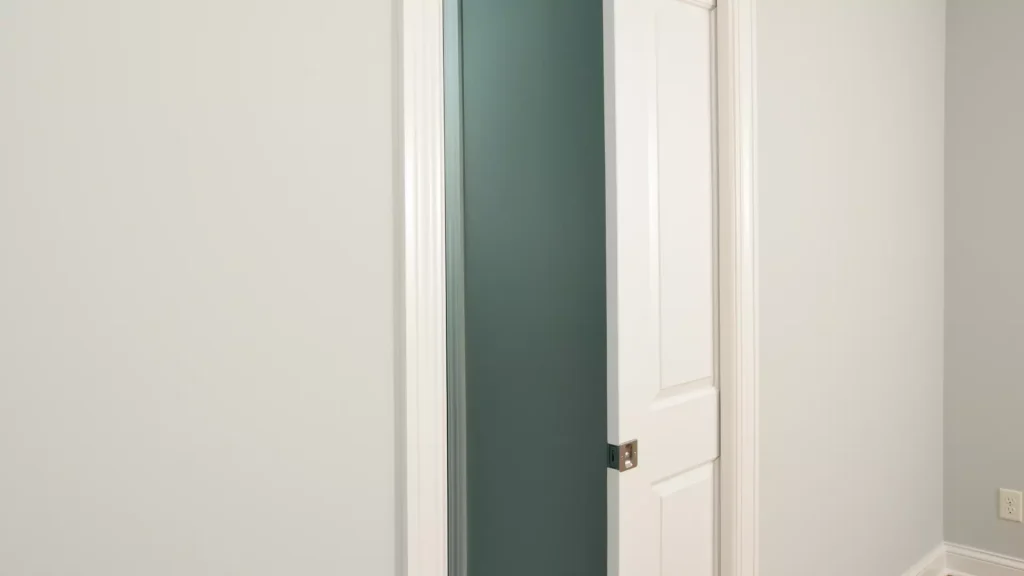
Pre-war NYC brownstones, tenements, and Upper East Side prewar co-ops were built with pocket doors as standard, sliding doors between parlor rooms, into dining rooms, off butler's pantries, between primary bedrooms and dressing rooms. Most of them are 90 to 120 years old and most of them stick. By August, they often won't slide at all.
Why Old Pocket Doors Swell in NYC Humidity
Three things are happening at once inside the wall. First, the door slab itself is solid wood, usually walnut, oak, or pine. As Brooklyn and Manhattan humidity climbs from 40% in February to 75% in July, the slab gains moisture and expands. A 36-inch wide door can grow up to 3/8 of an inch across the grain by midsummer, just enough to bind on the studs framing the pocket. Second, the original cast-iron overhead track and steel hangers were never designed for 100 years of paint, plaster dust, and rust. They drop out of true. Third, the original floor guide, a small mortised brass channel, almost always wears out, letting the door rock side-to-side and catch on the jamb.
What We Fix Without Opening the Wall
About 80% of the pre-war pocket doors we service in Park Slope, Cobble Hill, and the Upper West Side get fixed in a single visit without any plaster work. Here's the order we work in:
- Trim the door slab. Pull the door, plane down the leading edge and the top by an eighth to a quarter inch, re-finish, re-hang. Lets the door clear the swollen jamb for the next ten summers.
- Replace the floor guide. The cast brass guide pops out with a couple of screws and the modern stainless replacement is a drop-in fix.
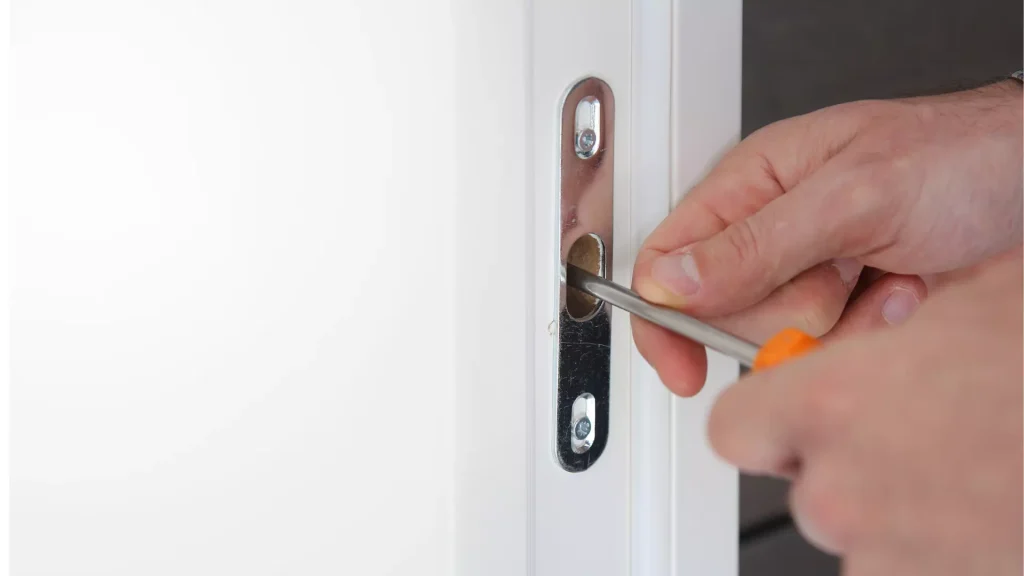
- Re-shim the overhead track from inside the pocket. Often we can reach the bracket through the door opening with a long offset screwdriver and bring the track back into level.
- Swap the hangers. If the original hangers are rusted through, modern ball-bearing hangers thread onto the same bolt pattern. We pull the door, swap the hardware, and re-hang in about an hour.
When the Wall Has To Come Out (And When It Doesn't)
Co-op boards across Manhattan and Brooklyn have a (rightful) phobia of opening plaster walls. The good news: in our experience, fewer than 1 in 5 pre-war pocket doors actually needs the wall opened. The cases that do: the overhead track is broken in the middle of the pocket, the door has fallen off and is wedged inside, or the original studs framing the pocket have rotted from a slow plumbing leak. In those situations we cut a small access panel above the trim casing, finish the repair, and patch back with skim coat. We never tear out a whole wall when an 8-by-12 access panel will do.
What It Costs vs. Full Replacement
A complete pre-war pocket door replacement on the Upper West Side or Park Slope is a four-to-six-week project: demo, new pocket framing, new door, new hardware, new trim, paint, plaster repair. It almost always runs into five figures and almost always requires an alteration agreement with the co-op. A targeted pocket door repair by us, by contrast, is one visit, one tech, one invoice, and the door rolls smoothly again. We're a small local shop, not a renovation contractor, which is exactly what these jobs call for.
Pre-Visit Checklist
Before we come out, take 30 seconds to do this so we can quote accurately and bring the right parts:
- Measure the door (height and width) and note the wood (oak, walnut, pine, painted)
- Look up at the trim above the door, is the original cast track visible or hidden behind plaster?
- Check the floor for a brass guide channel, intact, worn, or missing?
- Try to slide the door. Sticks at top, bottom, middle? Sounds like grinding, rubbing, or silent?
That four-point check tells us almost everything we need before we even pull up.
Schedule a Same-Week Visit
We work pre-war pocket doors across all five boroughs every week, Park Slope, Brooklyn Heights, Cobble Hill, Williamsburg, Upper West Side, Upper East Side, Harlem, Tribeca, Astoria, Long Island City, and Riverdale. Free estimates, upfront pricing, same-week appointments. Call (305) 433-2700 or request one here.
Pre-war pocket door fix order:
- 1. Plane the swollen door edge
- 2. Replace the floor guide
- 3. Re-shim the overhead track
- 4. Swap hangers for modern ball-bearing
- 5. Only then consider opening the wall